Source High Temperature Engineering PEEK Rod for Aerospace, Medical, and Automotive
Compare 30 listings for high temperature engineering PEEK rod with properties like 260°C heat resistance and 1.32g/cm3 density. Buyers can evaluate tensile strength, hardness, and processing methods from verified suppliers in Guangdong.
Key considerations
Products List
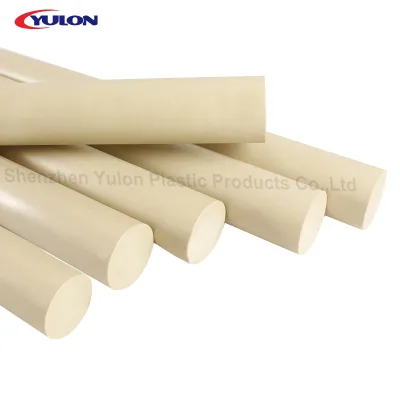
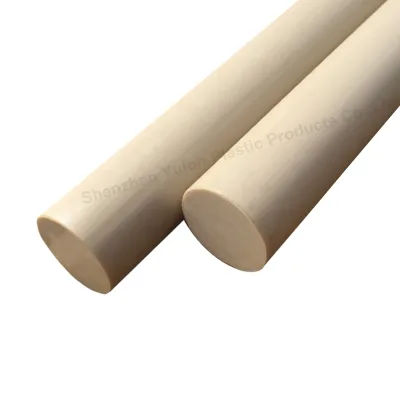


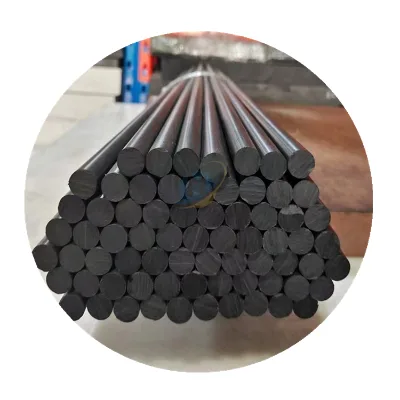


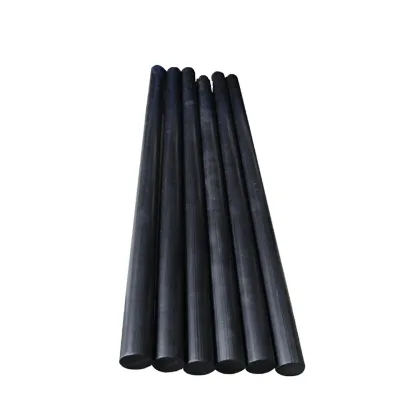


Comprehensive Sourcing Guide
Strategic Sourcing Guide for High-Temperature Engineering PEEK Rods
Procuring high-temperature engineering PEEK (Polyether Ether Ketone) rods requires a disciplined approach that balances material science precision with rigorous supply chain verification. As a semi-crystalline thermoplastic, PEEK offers exceptional performance in demanding environments, making it a critical component for aerospace, medical, and oil and gas applications. However, the market contains significant variations in material grade, processing methods, and supplier reliability. This guide provides a structured framework for buyers to evaluate potential suppliers and select products that meet strict technical and operational requirements without relying on unverified marketing claims.
Technical Specifications and Material Verification
The foundation of any successful procurement strategy for PEEK rods lies in verifying the physical and chemical properties against the specific demands of the application. Buyers must distinguish between virgin, recycled, and reinforced grades, as these significantly alter performance metrics. Based on available market data, standard virgin PEEK rods typically exhibit a density ranging from 1.3 to 1.32 g/cm³, with specific gravity often cited around 1.32 g/cm³. This density is a critical baseline for weight-sensitive applications.
Thermal performance is the primary differentiator for high-temperature variants. The melting point for standard PEEK is approximately 343°C, allowing for continuous service temperatures up to 260°C. This thermal stability is essential for applications involving steam sterilization or exposure to hot fluids. Furthermore, the material demonstrates a broad operating temperature range, typically spanning from -40°C to 260°C. Buyers should verify that the supplier can provide test data confirming these limits for the specific batch being purchased, as additives or fillers can alter these thresholds.
Mechanical strength is equally vital. Tensile strength for PEEK rods generally falls within the range of 81 to 130 MPa, with yield strength often reported between 91 and 95 MPa. Elongation at break can vary, with some grades offering up to 25% flexibility before failure. Hardness is another key metric, with Rockwell Hardness values often observed around 103 and Shore hardness figures near 90. These values indicate the material's resistance to indentation and wear.
Dimensional consistency is another area requiring strict scrutiny. The manufacturing process, whether extrusion or compression molding, dictates the final tolerances. Standard diameters for these rods can range from 6 mm to 200 mm, with thickness options extending from 1 mm to 200 mm. Lengths are often customizable, with standard offerings including 2000 mm lengths and diameters such as 5.0 mm and 250 mm. Buyers must confirm that the supplier's machining capabilities, such as cutting and molding services, align with the required final dimensions to minimize secondary processing costs.
Compliance, Certification, and Safety Standards
While PEEK is a high-performance material, compliance with industry-specific standards is non-negotiable for many applications. In the medical and food processing sectors, the material must meet biocompatibility and food safety regulations. Buyers should explicitly request documentation regarding the material's compliance with relevant standards, such as USP Class VI for medical devices or FDA regulations for food contact. Although specific certification numbers are not universally standardized across all suppliers, the "as your requirement" standard often implies that suppliers can tailor their documentation to meet specific regulatory frameworks.
Flammability is a critical safety attribute for components used in aerospace or high-heat industrial settings. Standard PEEK grades typically achieve an HB flammability rating, which indicates a slow burning rate. However, for applications requiring higher fire resistance, such as UL94 V-0, buyers must verify if the supplier offers modified grades or if the standard grade is sufficient for the specific risk profile.
Chemical resistance is another area where verification is essential. PEEK is renowned for its resistance to hydrocarbons, acids, and alkalis, but the specific chemical environment must be matched against the material's properties. The water absorption rate is a key indicator of stability in humid environments. Reported values for water absorption vary, with some sources citing 0.12% to 0.25% and others noting values as low as 0.4%. This discrepancy highlights the importance of verifying the specific grade's moisture uptake, as higher absorption can lead to dimensional instability and reduced mechanical strength over time.
Dielectric strength is crucial for electrical insulation applications. Typical values for PEEK rods can reach up to 18 kV/mm, making them suitable for high-voltage environments. Buyers should ensure that the supplier provides dielectric test reports for the specific product batch, as manufacturing inconsistencies can affect these electrical properties.
Cost Drivers and Pricing Dynamics
Understanding the cost structure of PEEK rods is essential for budgeting and negotiation. The price of these rods is influenced by several factors, including the purity of the resin, the processing method, and the complexity of the dimensions. Virgin PEEK, which contains no recycled content, commands a premium price due to its superior mechanical and thermal properties. The observed market price range for PEEK rods can vary significantly, from approximately $0.65 to $220 per unit, depending on the size, length, and grade.
The processing method is a major cost driver. Extruded rods are generally more cost-effective for standard diameters and lengths, while compression-molded rods or those requiring complex machining may incur higher costs. The supply ability of the manufacturer also impacts pricing; suppliers with a capacity of 300 tons per month may offer more competitive rates due to economies of scale compared to smaller operations.
Packaging and logistics are additional cost components. PEEK rods are often shipped in wooden cases or carton boards to prevent damage during transit. The single package size can vary, with dimensions such as 105x40x56 cm or 105x45x45 cm being common. The gross weight of a single package, often around 23 kg, affects shipping costs, particularly for international orders. Buyers should consider the total landed cost, including freight, insurance, and customs duties, rather than focusing solely on the unit price.
Minimum Order Quantities (MOQ) also play a role in cost efficiency. The observed MOQ range for PEEK rods is typically between 1 and 100 units. For large-scale projects, negotiating a lower per-unit cost through higher volume orders can yield significant savings. However, buyers must balance this against inventory holding costs and the risk of material obsolescence.
Typical Applications and Performance Requirements
The versatility of PEEK rods makes them suitable for a wide array of high-performance applications. In the aerospace industry, PEEK is used for bearings, seals, and structural components due to its high strength-to-weight ratio and resistance to extreme temperatures. The material's ability to withstand continuous temperatures up to 260°C makes it ideal for engine components and hydraulic systems.
In the medical field, PEEK rods are utilized for surgical instruments, implants, and diagnostic equipment. The material's biocompatibility and resistance to sterilization processes, including autoclaving, are critical attributes. The low water absorption rate ensures that the material maintains its dimensional stability and mechanical properties after repeated sterilization cycles.
The oil and gas sector relies on PEEK for downhole tools, valve components, and pump parts. The material's resistance to corrosive chemicals and high pressures is essential in these harsh environments. The high wear resistance and low friction coefficient of PEEK reduce maintenance requirements and extend the service life of equipment.
In the automotive industry, PEEK is used for engine components, transmission parts, and electrical connectors. The material's ability to replace metal components reduces vehicle weight, improving fuel efficiency. The high dielectric strength and chemical resistance make it suitable for electrical systems in electric vehicles.
Supplier Evaluation and Selection Criteria
Selecting the right supplier is as important as selecting the right material. Buyers should evaluate suppliers based on their technical capabilities, production capacity, and quality control systems. A supplier with a proven track record in manufacturing PEEK rods using extrusion or compression molding processes is preferable. The ability to offer customized services, such as specific diameters, lengths, and machining, is a significant advantage.
The supply chain transparency of the supplier is another critical factor. Buyers should verify the place of origin, which is often Guangdong, China, and the port of dispatch, such as Shenzhen Yantian. Understanding the logistics network helps in estimating lead times and managing inventory. Suppliers with a high supply ability, such as 300 tons per month, are better equipped to handle large orders and maintain consistent quality.
Quality control is paramount. Buyers should request samples and test reports to verify the material's properties, including density, tensile strength, and thermal resistance. The supplier's ability to provide certifications and compliance documentation is essential for meeting regulatory requirements. Additionally, the supplier's packaging standards, such as the use of wooden boxes or carton boards, should be evaluated to ensure the product arrives in pristine condition.
Quality Control and Long-Term Procurement Considerations
Implementing a robust quality control process is essential for ensuring the reliability of PEEK rods. Buyers should establish clear acceptance criteria based on the technical specifications, including dimensional tolerances, mechanical properties, and thermal performance. Regular inspections and testing of incoming materials can help identify defects early and prevent costly production delays.
Long-term procurement considerations involve building a strategic relationship with suppliers. Consistent communication and collaboration can lead to better pricing, improved lead times, and access to new product developments. Buyers should also consider the sustainability of the material and the supplier's environmental practices. While PEEK is a durable material, the end-of-life disposal and recycling options should be evaluated to align with corporate sustainability goals.
Finally, buyers should plan for potential supply chain disruptions. Diversifying the supplier base and maintaining safety stock can mitigate the risk of shortages. Regular reviews of the procurement strategy and market trends will help buyers stay ahead of changes in material costs and availability. By adhering to these guidelines, buyers can successfully source high-temperature engineering PEEK rods that meet their specific technical and operational needs.
FAQs
What is the melting point of high temperature engineering PEEK rod?
The melting point is 343°C, allowing continuous service up to 260°C. This thermal stability supports applications requiring exposure to hot fluids or steam sterilization without deformation.
How does the tensile strength vary for high temperature engineering PEEK rod?
Tensile strength ranges from 81 to 130 MPa, with yield strength typically between 91 and 95 MPa. These mechanical properties ensure durability in demanding industrial and aerospace environments.
Which dimensions are available for high temperature engineering PEEK rod?
Diameters range from 6 to 200 mm, with thickness options from 1 to 200 mm. Standard lengths include 2000 mm, and custom sizing is available upon request for specific projects.
Can high temperature engineering PEEK rod be customized for specific needs?
Yes, customized services are available for dimensions and specifications. Suppliers can tailor the product to meet unique requirements while maintaining the material's high strength and wear resistance.
What is the water absorption rate for high temperature engineering PEEK rod?
Water absorption varies between 0.12% and 0.25%, ensuring dimensional stability in humid conditions. This low absorption rate helps maintain mechanical properties after repeated exposure to moisture.
How is high temperature engineering PEEK rod processed and manufactured?
The rod is manufactured using extrusion or compression molding processes. Additional services like cutting and molding are available to achieve precise final dimensions for various engineering applications.
What is the supply capacity for high temperature engineering PEEK rod?
Suppliers offer a supply ability of 300 tons per month. This capacity supports large-scale orders while maintaining consistent quality and timely delivery from the Guangdong, China origin.